


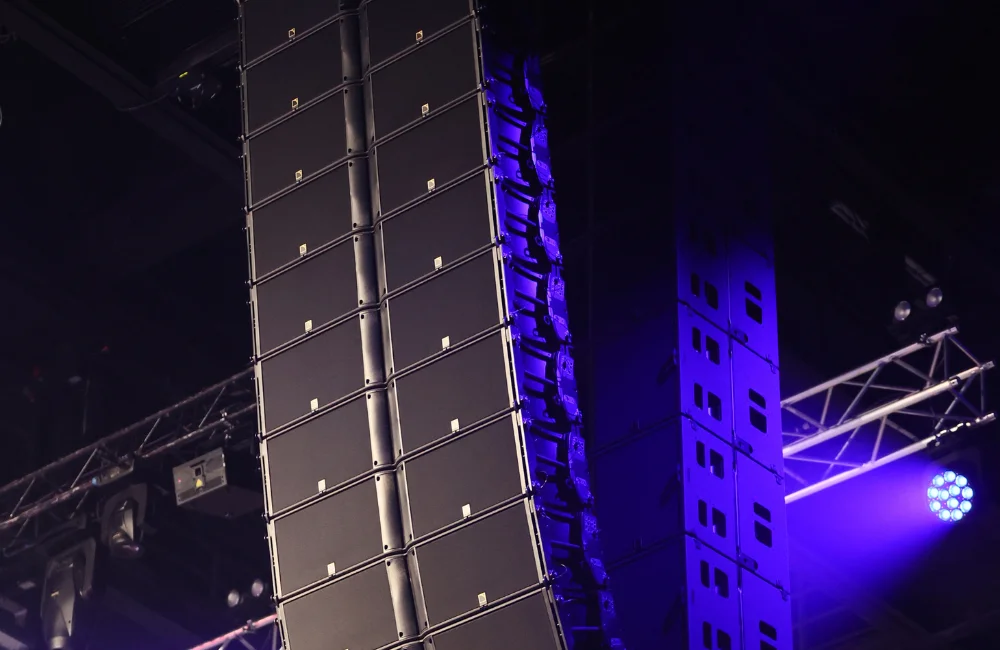
Before the concert begins, you might wonder why, while the lights are still dimmed and the artist hasn't appeared, there are intermittent bursts of instruments followed by silence in the hall. That is the Soundcheck—an indispensable phase of any live performance. It allows the crew and artists to balance everything from vocals and instruments to the overall audio system, ensuring every attendee experiences a flawless, world-class show. Let’s dive into the soundcheck process and why it is so vital.
What is a Soundcheck?
A Soundcheck is the process of testing and fine-tuning the entire audio system before the actual performance begins. It’s far more than just "plugging in and playing." This step ensures that every sound is perfected by tuning instruments and vocals to match the specific acoustics of the venue. It also prevents technical glitches like feedback, distortion, or muddy audio, ensuring the audience receives the best possible musical experience.
Why Must You Soundcheck Before a Show?
Some might think a soundcheck is a waste of time, but in reality, it is an investment in a hit performance. The primary reasons include:
- Balancing Sound Quality Between the Stage and the Audience: Soundcheck allows the Sound Engineer to balance the audio the artist hears on stage (Monitors) with what the audience hears in the hall (Front of House). When artists can hear themselves clearly, they perform better, and the audience enjoys the music more.
- Reducing Technical Issues During the Show: Imagine a fierce guitar solo where the sound suddenly cuts out, or a microphone feedback screeching during a soulful ballad. A soundcheck is a proactive way to troubleshoot and eliminate these risks beforehand.
- Boosting Artist Confidence: When artists know their stage sound is top-tier, they can let go of anxiety and deliver a 100% high-energy performance without worrying about audio quality.
- Finalizing Equipment and Crew Readiness: This is the ultimate synchronization for all parties—the stage crew, lighting team, and sound engineers. Everyone gets to confirm their cues and prep for the live show.
4 Steps to a Professional Soundcheck
Curious about how the pros do it? While details vary by band, the main workflow typically follows this path:
1. Complete Equipment Check Before Starting
Before a single note is played, the first step is to check every piece of gear—from instrument cables and microphones to effect pedals. You must ensure everything is connected correctly and functioning perfectly. Think of it as a physical check-up before a workout.
2. Vocals First, Then Each Instrument One by One
Typically, the process starts with the vocals, which are the heart of the song. Once the vocals are crisp and balanced, the team moves on to each instrument individually—usually starting with drums, followed by bass, guitar, and keyboards. This allows the Sound Engineer to focus entirely on the nuances of each specific sound.
3. Balance On-Stage (Monitor) and Off-Stage (Front of House) Sound
This is a critical stage. The Sound Engineer works closely with the artists to adjust the on-stage speakers (Monitors) so each performer can hear themselves and their bandmates clearly. Simultaneously, they fine-tune the sound being sent to the audience (Front of House or FOH) to ensure it is balanced and immersive. The goal is to create a powerful, emotional experience for every fan in every corner of the hall.
4. Test Key Songs or Complex Segments
Once everything is dialed in, it’s time for a test run. The band might play the heaviest chorus, the quietest bridge, or segments with complex dynamics. This ensures that the audio settings can handle every transition and are fully ready for the actual performance.
6 Techniques for a High-Quality Soundcheck: Save Time, Get Results
Once the sound is set, it’s time for the "Run-through." Perform a sample song—perhaps the punchiest hook, the most delicate verse, or a section with intricate dynamics—to guarantee that your settings hold up and are ready for every part of the live show.
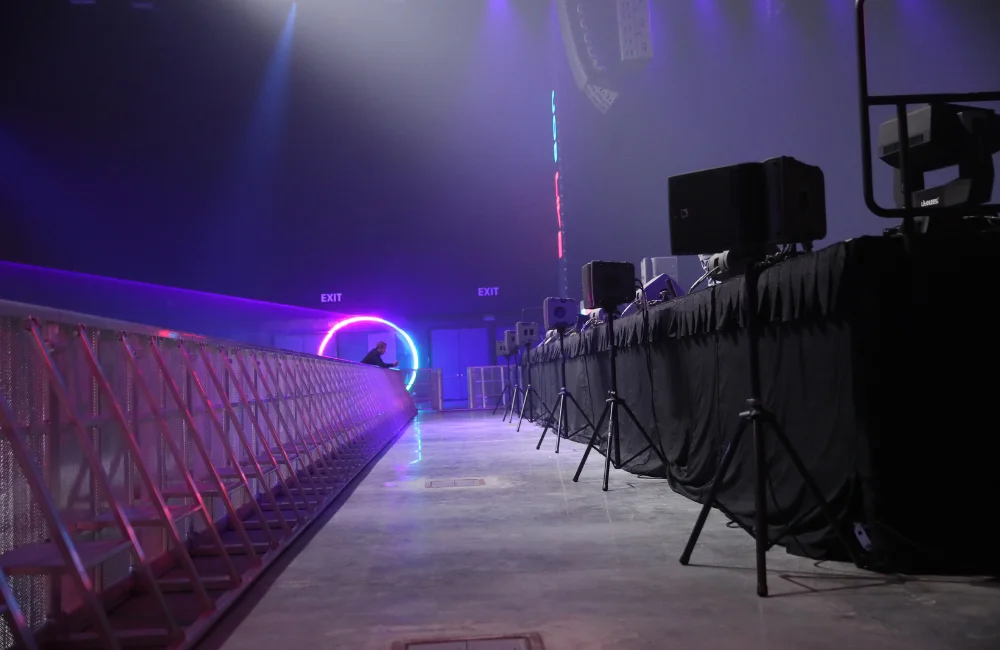
1. Prepare Your Gear and Playlist in Advance
Preparation is key to a smooth soundcheck. Start by curating a playlist of songs suitable for audio testing—ideally tracks with a wide dynamic range, from quiet segments to loud crescendos. This allows the crew to tune frequencies across the entire spectrum.Additionally, double-check your own gear, such as microphones, cables, monitors, and instruments, to prevent "day-of" technical failures. Thorough preparation saves time, reduces stress, and ensures the live show achieves peak audio quality.
2. Remember: Soundcheck is Not Rehearsal; Focus on the Audio
A soundcheck is a vital step for testing and tuning, not a full-dress rehearsal. You don't need to play every song in full or exert 100% of your performance energy. However, you must play at the same volume levels you intend to use during the show. This allows the Sound Engineer to adjust levels with pinpoint accuracy. Focusing on individual instruments and microphones ensures the mix is crisp, without echo or piercing frequencies.
3. Communicate with the Sound Team in Plain Language
Clear communication with your Sound Engineer helps solve audio issues quickly and effectively. Instead of saying "the sound feels weird," be specific: "Can I have more vocals in my monitor?" or "The guitar is a bit too bright/piercing." Specific feedback helps the sound team hit the mark immediately. Furthermore, stay open to their advice; they are experts who know how to make you sound your best in that specific room.
4. Start with Bass and Drums, Then Build Up
A proven technique is to start with the "rhythm section"—the drums and bass. These instruments occupy the low-end frequencies and define the song's foundation. Once the bass and drums are clear and balanced, layering in other instruments like guitars, keyboards, or brass becomes much easier and more efficient.
5. Maintain "Stage Silence" While Others are Checking
When the engineer is focusing on a specific instrument, avoid playing loudly or shouting. Noise interference leads to inaccurate levels and mistakes in the system settings. Maintaining "stage silence" during another person's check allows everyone to focus, making the process faster and more effective. It also reflects your professionalism and respect for your teammates.
6. Listen to Feedback from Both the Stage and the Control Booth
Great sound isn't the work of one person; it’s the result of collaboration between the stage and the control room. The Sound Engineer and your bandmates might notice details or issues that you can't hear from your position. Staying open to feedback from all sides is crucial, as these insights help fine-tune the audio until it’s perfect for everyone.
Frequently Asked Questions (FAQ) About Soundchecks
How long does a soundcheck take?
On average, it takes about 30 minutes to 1 hour, though this depends on the complexity of the band and the scale of the event.
Do you need to soundcheck for every gig?
It is highly recommended every time, especially when performing at a new or unfamiliar venue. A soundcheck ensures you are prepared to handle any environmental variables.
What is the difference between a soundcheck and a rehearsal?
A soundcheck is about testing the audio system and perfecting sound quality. A rehearsal is about practicing the performance, timing, and cues to ensure they are precise.
What should I do if there is no time for a soundcheck?
In an emergency, you should provide your own audio presets (if available) to the Sound Engineer and brief the team as thoroughly as possible in advance.
Does every artist need to be present during the soundcheck?
Ideally, everyone should be there! Since the on-stage sound each person hears is different, having the full team present ensures the monitor balance is accurate and optimized for everyone.

Summary
A soundcheck is a vital step that should never be overlooked before a live performance. It is the process that ensures the entire audio system—from vocals and instruments to on-stage monitors and front-of-house speakers—is perfectly tuned. This process minimizes technical issues during the show, allowing artists to perform with full confidence and energy. Ultimately, prioritizing the soundcheck isn't just about technical audio; it’s about preparing the stage to create the best possible memories for both the performers and the audience. Because when the sound is ready and the heart is ready, the show is ready to shine every second.