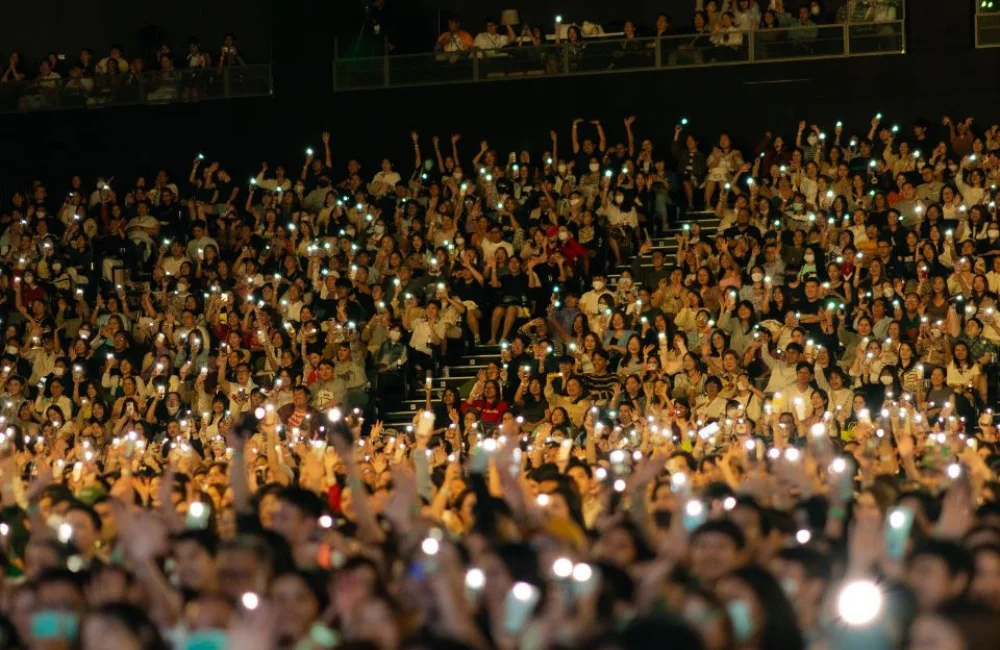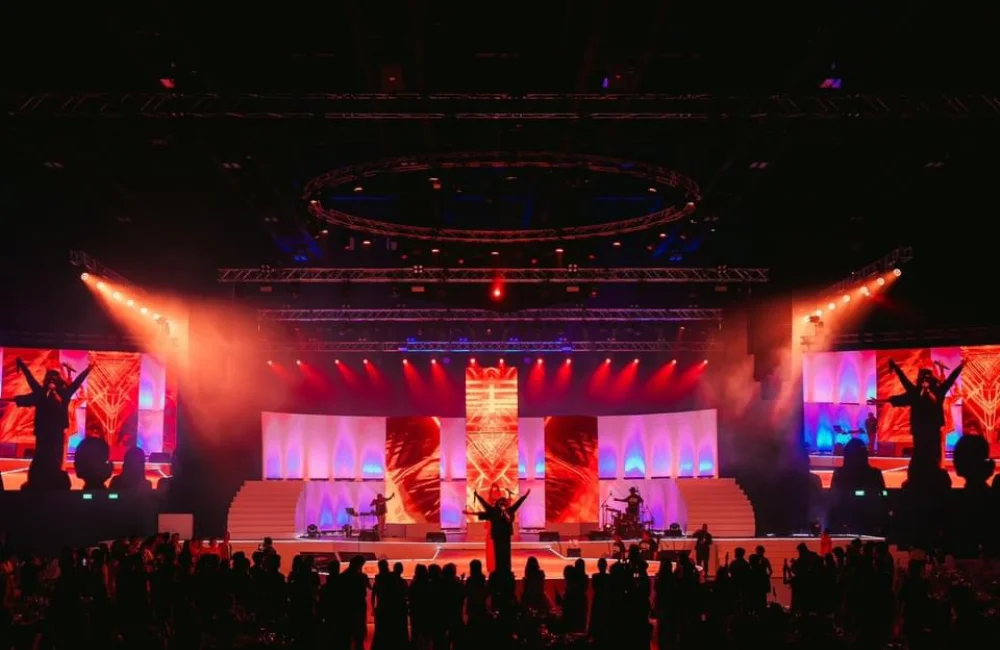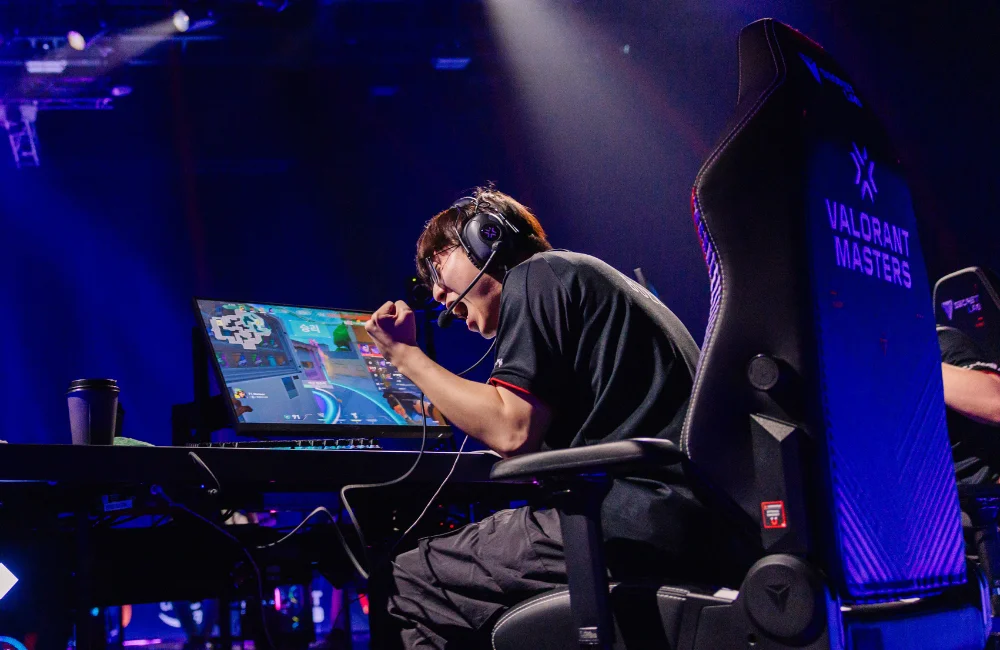


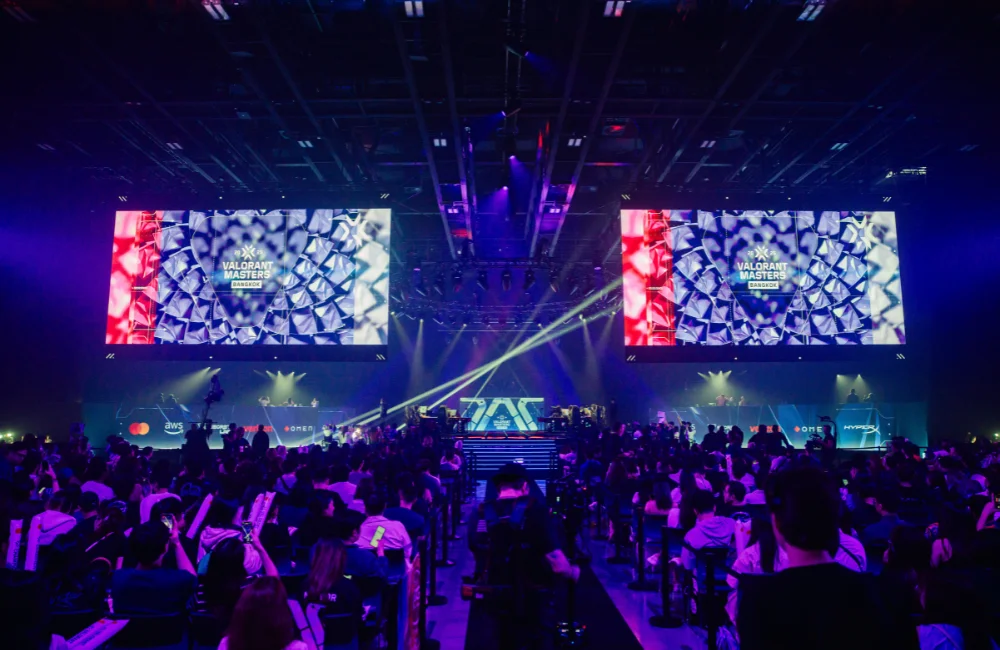
Professional-grade live broadcasting—whether for events, concerts, webinars, or E-sports tournaments—happens in real-time. There are no second takes. A minor glitch can impact the experience of hundreds of thousands of viewers. Having the right, reliable live streaming equipment isn't just an option; it is the foundation of success.
Today, UOB LIVE, as an expert in large-scale event hosting, presents the essential equipment list that every production crew needs to know to ensure a smooth, high-quality broadcast.
The Top 10 Must-Have Live Streaming Tools
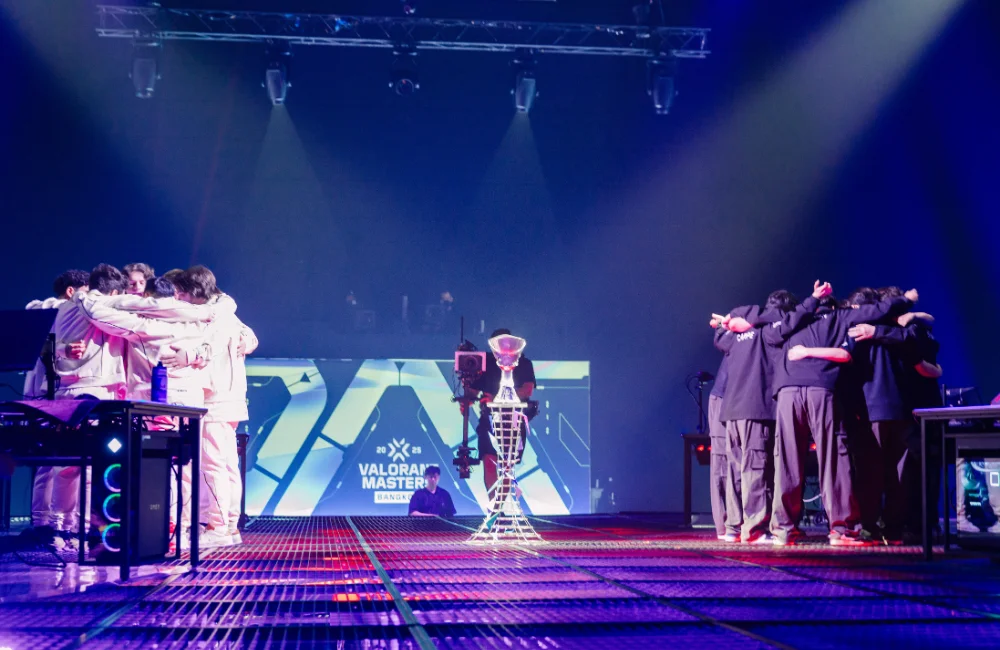
Setting up a broadcast system for a professional team is far more complex than a typical mobile livestream. The primary setup consists of the following equipment:
Video Cameras
For production-grade livestreaming, the first essential is a camera that offers maximum quality and flexibility for multi-camera setups, such as:
- Mirrorless/Cinema Cameras: These provide cinematic clarity and interchangeable lenses for diverse perspectives. Most importantly, they must feature Clean HDMI or SDI output to send signals to the switcher.
- Camcorders (Broadcast Cameras): Designed specifically for live broadcasting, these are highly durable, easy to control, and usually come with professional SDI ports. They are ideal for projects requiring maximum stability.
Audio System
Audio accounts for half of the overall production quality. A professional system must manage multiple sources, including:
- Audio Mixer: Combines signals from multiple microphones, video audio, or sound effects to be mixed and exported alongside the visuals.
- Microphones: Selected based on the situation, such as Shotgun Mics for stage sound, Lavalier Mics (Wireless) for hosts, and Handheld Mics for interviews.
Computers or Laptops
These serve as high-performance workstations acting as switchers, encoders, and graphic players. High-end specs are required to process complex video and graphics. For large-scale events, a Hardware Switcher (like the Blackmagic ATEM Series) is recommended for its stability and physical tactile control.
Capture Card
The capture card is the crucial bridge between the camera and the control computer. For professional production, multi-input cards are preferred:
- Multi-Channel Capture Card: A single card that can receive signals from multiple cameras simultaneously (e.g., 4x HDMI or 4x SDI), reducing system complexity.
- SDI vs. HDMI: Professionals prefer SDI over HDMI because it supports longer cable runs (up to 100 meters) and features a locking connector to prevent accidental disconnects during a live show.
Streaming Software
The software manages everything the audience sees and hears—switching camera angles, displaying graphics/overlays, playing video clips, and controlling audio levels to ensure a seamless broadcast.Additionally, the software allows for fine-tuning resolution, frame rate, and bitrate to match internet speeds. It also supports multicasting to platforms like Facebook, YouTube, TikTok, or Twitch simultaneously. Popular choices include:
- OBS Studio: Free and open-source.
- Streamlabs: Popular with gamers.
- vMix: Professional-grade, widely used for major events.
- Ecamm Live: A top choice for Mac users.
Lighting System
Lighting in production isn't just about brightness; it’s an art form that adds dimension, mood, and focus to the screen. Proper lighting makes speakers look vibrant, ensures balanced color, and eliminates distracting shadows that can make a broadcast look amateur.
- The Three-Point Setup: Professional streams typically use a Key Light (primary source), Fill Light (to balance shadows), and Backlight/Hair Light (to separate the subject from the background, adding depth).
- Color Temperature: Choice of tone impacts the vibe—cool daylight feels professional and crisp, while warm light feels cozy and approachable.
- Pro Tip: For high-mobility streams, portable LED panels or studio lights with adjustable intensity and tone are essential for creating a premium viewing experience.
Tripods and Camera Mounts
Stable shots and smooth camera movements differentiate professional productions from amateur streams.
- Video Tripod with Fluid Head: The industry standard for smooth panning and tilting.
- Movement Tools: For dynamic shots, pros use Gimbals for handheld stability, Sliders for linear movement, or Jibs for sweeping overhead shots. These tools elevate the livestream by making it visually engaging and dynamic.
High-Speed Internet
Network stability is the lifeblood of broadcasting. No matter how good your visuals are, if the connection drops, the show is over. Relying on a single connection is a risk you shouldn't take.
- Dedicated Leased Line: For high-stakes events like corporate seminars or concerts, a Leased Line provides fixed speeds without shared bandwidth and includes a Service Level Agreement (SLA) to guarantee uptime.
- Bonding & Redundancy: "Bonding" technology combines multiple sources (e.g., two Fiber lines plus 4G/5G) into a single, seamless connection. If one line fails, the system automatically switches to another without a stutter, ensuring a safe and uninterrupted broadcast.
Monitors
The production crew needs a complete visual overview to manage the show accurately.
- Multiview Monitor: A large screen showing all camera feeds at once, including the Program (live feed) and Preview (next shot).
- Reference Monitor: A high-accuracy display used to check color standards and image quality before it hits the air.
Intercom System (Internal Communication)
Clear communication is the backbone of teamwork. The Director must be able to instantly coordinate with camera operators, audio engineers, and graphics teams. An intercom system is vital for multi-camera setups or large-scale venues. It reduces confusion, prevents on-air mistakes, and ensures a professional workflow from start to finish.
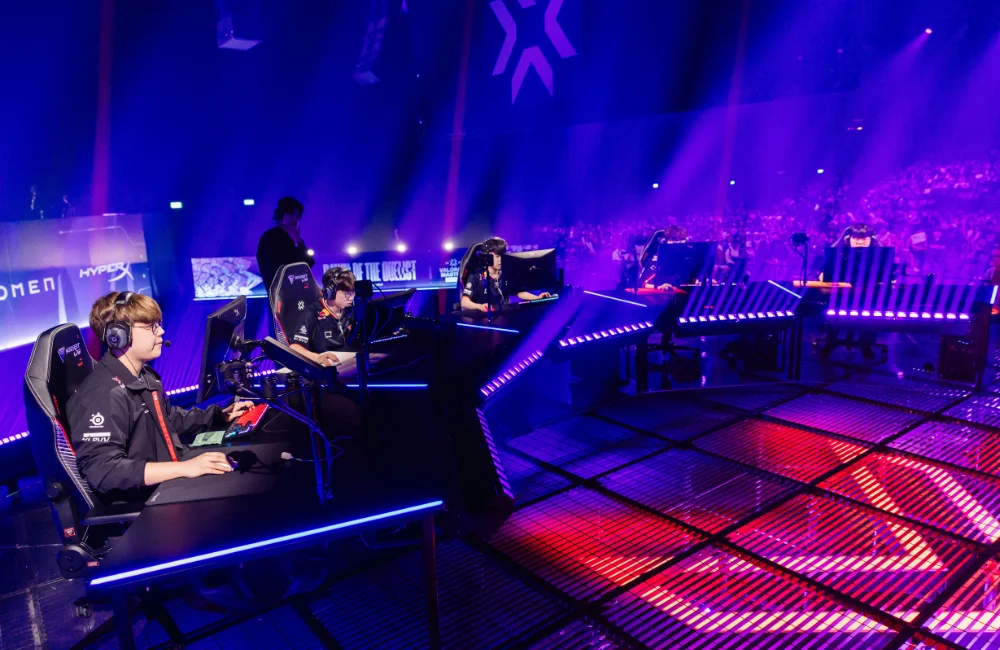
Summary
Live streaming is a process that demands teamwork, expertise, and professional-grade equipment to deliver the best possible experience to viewers every single second. From high-quality cameras and precision audio systems to stable internet and behind-the-scenes control systems—every piece of gear plays a vital role in the success of a broadcast. Comprehensive preparation is the key to ensuring a smooth production workflow.
If you are looking for an event venue equipped with integrated professional technology, UOB LIVE is ready to help you transform any event into a seamless, world-class show. Whether it’s a concert or a seminar, we provide the crew and equipment to support every scale of work with absolute confidence.
Interested in booking? Contact us at sales@uoblive.asia or call 023670188.